
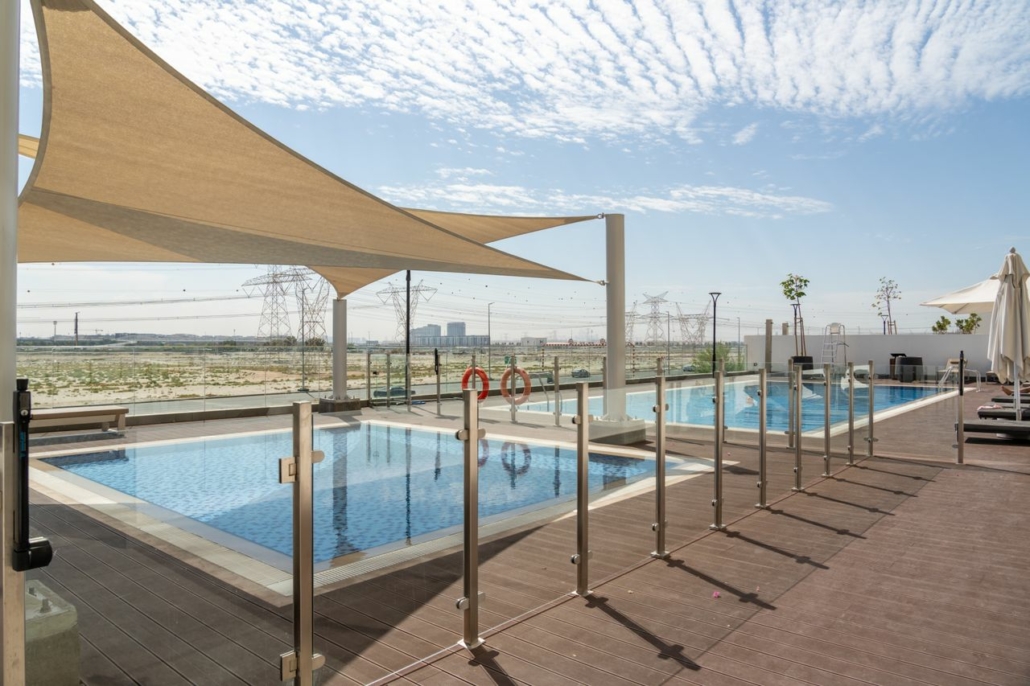
Semi-Frameless Pool Fencing for Views: Post Placement, Tinting, Alignment
Semi-Frameless Glass That Protects Without Interrupting
Semi-frameless glass pool fencing is a refined way to keep your pool safe without visually closing in your outdoor area. When you have invested in a considered landscape, architecture and outlook, you want a barrier that protects the space without interrupting it.
In simple terms, semi-frameless glass gives you clear glass panels with slim vertical posts between them. When designed properly, those posts read as part of the architecture, not a heavy frame around the pool. The difference comes from how the posts are positioned, how the glass is specified, and how precisely the fence aligns with your deck, coping and balustrades.
Many homeowners worry that pool fencing will look bulky, block the view or feel like an afterthought added to an otherwise premium outdoor space. Our focus is to avoid that. We design and install clean, architectural glass fencing across Greater Brisbane and the Gold Coast that keeps views open while meeting all compliance and safety requirements.
Frameless vs Semi-Frameless for a Premium, Open View
Frameless and semi-frameless pool fencing both use safety glass panels, but they are supported in different ways.
Frameless fencing:
- Glass panels sit in small spigots or recessed channels
- Very little hardware is visible
- Creates long, clear runs of glass that almost disappear from view
Semi-frameless fencing:
- Glass panels are held between slim, engineered posts
- You see more structure, but it can be aligned carefully with your home’s architecture
- Offers additional support, especially over longer distances or in exposed locations
From a visual point of view, frameless is the most minimal. It suits clients who want the lightest possible look and the most uninterrupted view, for example towards water, city outlooks or established gardens.
Semi-frameless, when designed well, is still open and light but with a finer level of definition around the pool zone. It often suits:
- Sloping sites, where posts help step the fence neatly with changes in level
- High-wind or exposed locations that benefit from additional structural support
- Long runs where you want strength without heavy top or bottom rails
- Homes where a subtle frame helps define the pool terrace within a larger outdoor area
If you are unsure which option best suits your home, we can review your plans, levels and outlook to recommend frameless, semi-frameless, or a combination that balances views, structure and budget while preserving a minimalist aesthetic.
How Semi-Frameless Pool Fencing Keeps Views Clear
Semi-frameless pool fencing feels almost invisible when every post and panel is considered in relation to the architecture.
We assess your house, alfresco and deck first, then align the fence to those existing lines. For example, we often:
- Align posts with existing verticals such as verandah posts, columns or door frames
- Push posts towards corners and edges instead of the centre of key view lines
- Use larger glass panels in front of primary outlooks, such as towards the garden, water or city
Thoughtful post spacing avoids a repetitive, busy rhythm in your line of sight. Fewer, evenly spaced posts create a calm, simple composition that allows the view to read as one continuous picture. Height matters as well. A consistent top line of glass running level around the pool is far more restful than panels stepping up and down without a clear reason.
Colour and finish also help the posts visually recede. Slim, powder-coated posts in tones that reference your window frames, balustrades or external trims integrate with the architecture. Darker colours often sit quietly against lush planting, while lighter colours can suit pale tiles and bright coastal decks.
Consider a before and after layout:
- Before: Irregular spacing, posts placed directly in the centre of the main view from the alfresco, glass panels in multiple widths, and the fence reads as a grid in front of the pool.
- After: Posts repositioned to line up with deck posts and corners, longer glass panels in front of the entertaining area, and shorter infill panels where views are less critical. The pool area immediately feels more open, lighter and visually larger.
Using Glass Specification and Reflections to Your Advantage
Glass choice does more than many people expect. It affects how bright the area feels, how strong reflections are, and how much you notice what sits beyond the fence.
Common options include:
- Clear glass, the standard choice for maximum clarity
- Low-iron glass, for ultra-clear views with a reduced green edge
- Subtle tints, to gently soften glare and reflections
A light tint can be particularly useful around a pool in strong Queensland sun. It helps reduce the harshest glare bouncing off water and light tiles, without making the glass look dark or heavy. The right tint still allows a clear view; it simply moderates brightness.
For pools or elevated decks near the street or neighbouring windows, a gentle tint and thoughtful fence alignment can encourage the glass to reflect trees and landscaping rather than driveways or passing cars. This adds a degree of privacy while preserving an open feel.
If you are concerned that all-glass fencing might feel cold or clinical, specification and landscaping can address that. Slightly warmer tints, layered greenery and natural decking timbers all soften the overall look while keeping the barrier visually light.
Examples:
- A north-facing pool with a long outlook may suit clear or low-iron glass so you keep as much light and view as possible.
- A more exposed or street-facing deck might benefit from a soft tint, reducing harsh light and offering subtle discretion without enclosing the space.
Aligning the Fence with Your Deck for a Seamless Finish
Fence alignment is one of the key differences between a basic installation and a genuinely premium result. When the fence line, deck boards, coping tiles and upper-level balustrades all run in clean, continuous lines, the entire outdoor area feels more spacious and intentionally designed.
Best-practice layout usually includes:
- Posts centred on deck boards or tile joints, not cutting across them
- Glass edges lining up with steps, pool edges and key corners of the house
- Corners and returns planned so you avoid very narrow “sliver” glass panels
When these details are overlooked, common issues appear:
- Posts interrupting deck boards or tile edges
- Hardware positioned in inconsistent or off-centre locations
- Angles that do not align with the pool or deck, leaving awkward gaps
In a typical before scenario, you might see misaligned posts, inconsistent angles between fence and deck, and small filler panels at corners that make the space feel cluttered. In the after scenario, the fence follows the geometry of the pool and deck with clear, straight lines. The result is calmer to look at, feels wider and lighter, and reads as a single, cohesive outdoor room.
Minimalist Glass Balustrades for Modern Homes
The same principles apply to glass balustrades on balconies, terraces and internal voids. Minimalist glass balustrades protect edges while preserving long sightlines through the home and out to the landscape.
By aligning balustrade posts with structural elements, using slim profiles, and matching glass specification to your pool fencing where appropriate, we can create a continuous visual language from the pool to upper-level balconies. This avoids a mix of bulky railings and ad hoc details that break up the architecture.
Where compliance requires a certain height or handrail, careful detailing ensures the balustrade still feels light rather than clinical. The focus is always on clean junctions, concealed fixings where possible, and a top line that runs smoothly along the edge of the floor or terrace.
Why Installation Quality Matters as Much as the Glass
You can select the highest quality glass, but if the installation is not executed well, the finished result will still look compromised. A premium semi-frameless fence or balustrade depends on the precision of every post, panel and fixing.
A well-installed fence or balustrade typically has:
- Posts and panels that are plumb and level, with a consistent top line
- Even, repeatable gaps between panels and posts
- Fixings that are concealed where possible, or neatly aligned when visible
- Clean caulking and cover plates, with smooth edges and tidy junctions
Below the surface, correct footing depth, anchoring and hardware selection keep the fence solid over time and support compliance with Queensland pool safety regulations and relevant balustrade standards. Gates must close and latch reliably, with latch height and swing direction set to meet the rules without dominating the design.
Many homeowners are concerned about disruptive trades, visible shortcuts and a finish that does not live up to the rest of the home. A clear design plan, detailed set-out and organised work on site reduce disruption and help ensure a clean, architectural outcome.
When semi-frameless glass fencing and balustrades are designed and installed with this level of care, they protect the pool, balcony or terrace while feeling almost invisible, extending your living space, keeping the view open, and avoiding the bulky, cluttered look that many people want to move away from.
Get Started With Your Project Today
Transform your pool area with safe, compliant and stylish glass fencing designed and installed by Glass Pool Fencing Solutions. Explore our semi-frameless pool fencing options and find the perfect balance of visibility, durability and value for your home. If you are ready to plan your project or have questions about your specific pool layout, simply contact us and we will walk you through the next steps.


